
Welcome to CompucaliTV
CompucaliTV: Spanish-language films and series, from Radical, Even the Rain and Butterfly to The Ministry of Time, Ecomoda and Rebelde, and where to watch them
165 films and series from Spain, Mexico, Argentina, Colombia, Chile and their neighbours, 1950 to 2026, chosen for the whole household.
Films
View all › Films
Films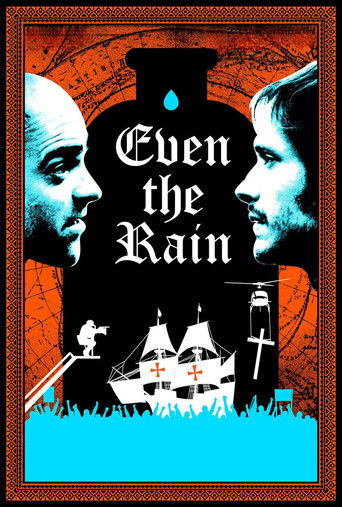 Films
Films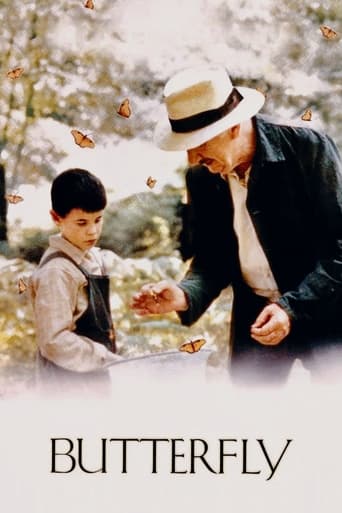 Films
Films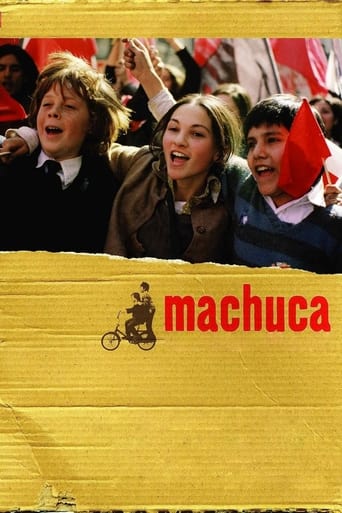 Films
Films Films
Films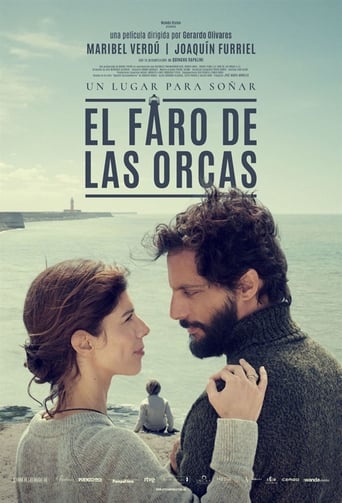 Films
Films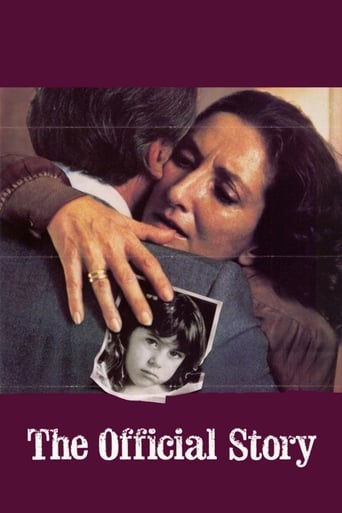 Films
Films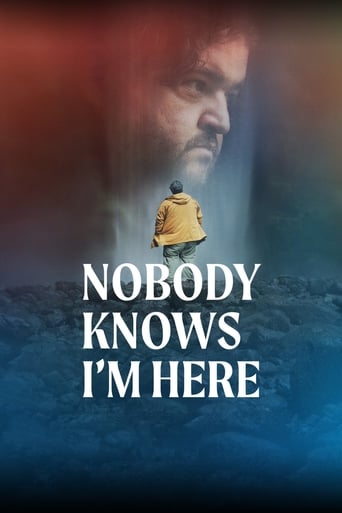 Films
FilmsSeries
View all ›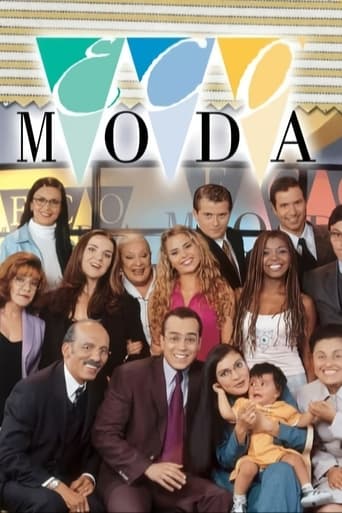 Series
 Series
 Series
 Series
 Series
 Series
 Series
 Series
From Spain
View all › Films
Films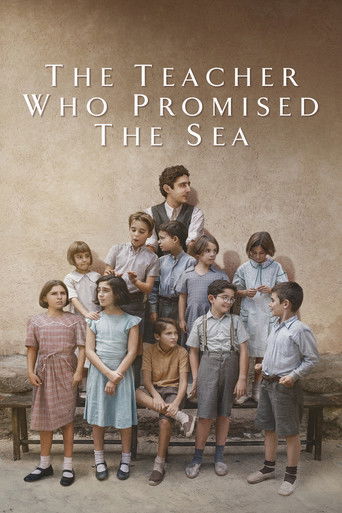 Films
Films Films
Films Films
Films Films
Films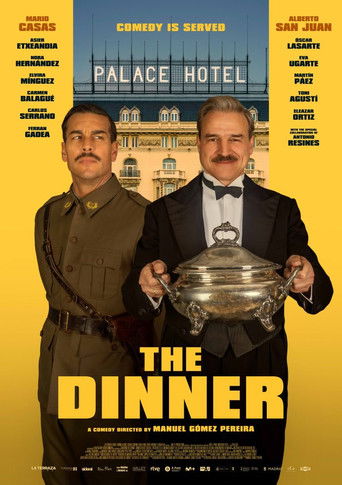 Films
Films Films
Films Films
FilmsFrom Mexico
View all › Films
Films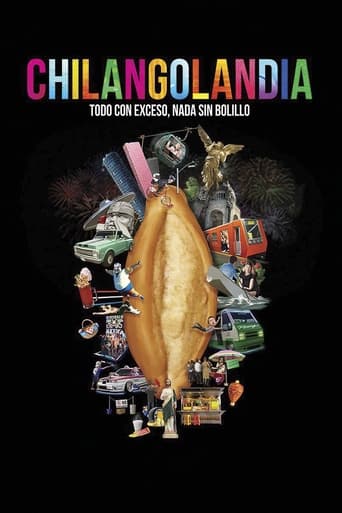 Films
Films Films
Films Series
 Series
 Series
 Series
 Series
From Argentina
View all › Series
 Films
Films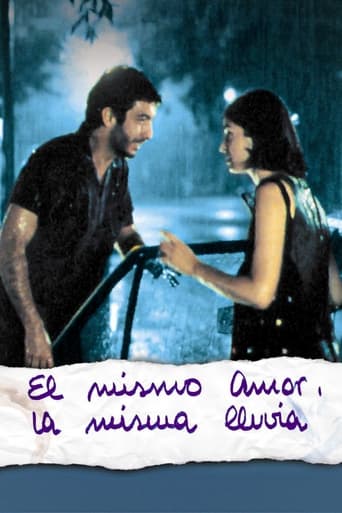 Films
Films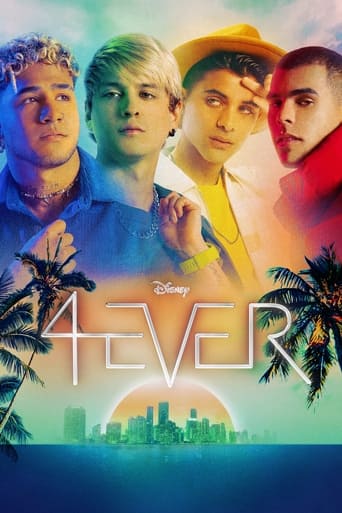 Series
 Films
Films Films
Films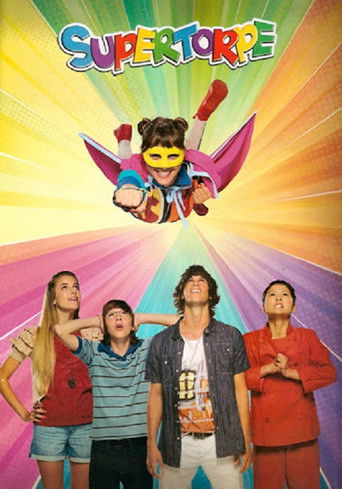 Series
 Series
Colombia, Chile and neighbours
View all ›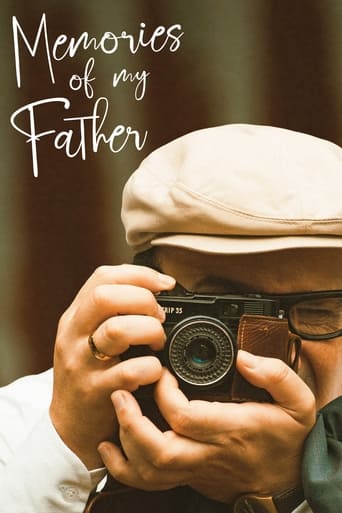 Films
Films Films
Films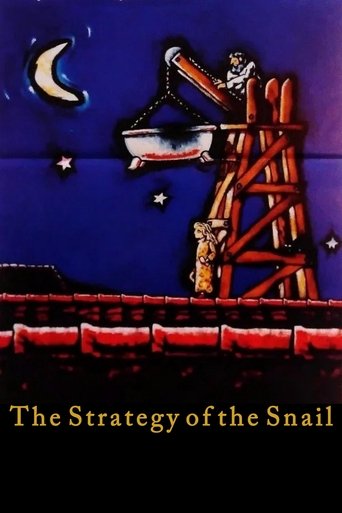 Films
Films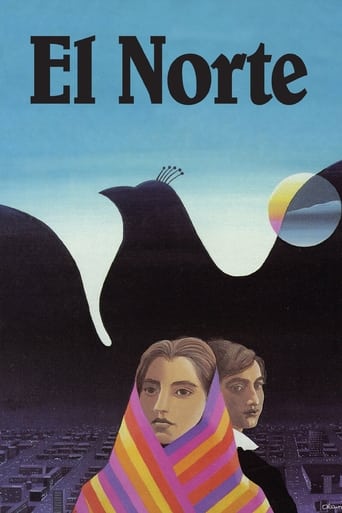 Films
Films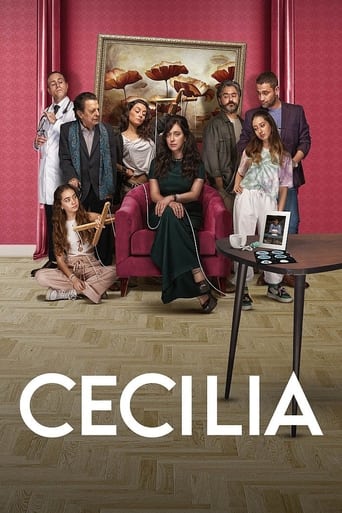 Series
 Films
Films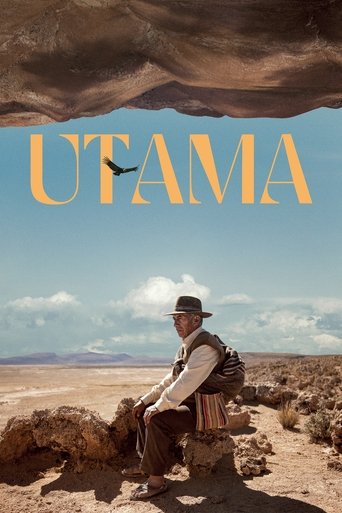 Films
Films Series
Music stories
View all › Series
 Films
Films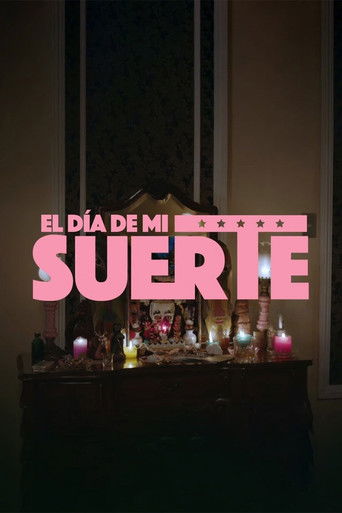 Series
 Series
 Series
 Series
 Films
Films Series
For the family
View all › Films
Films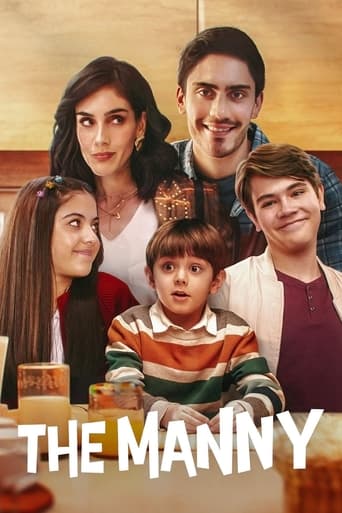 Series
 Films
Films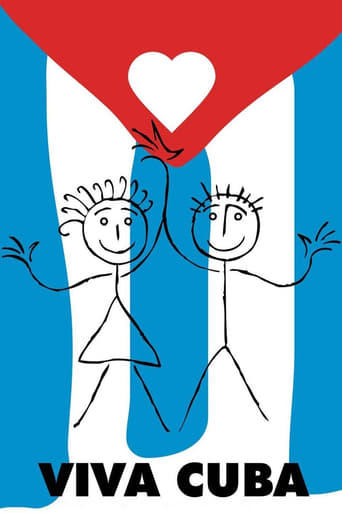 Films
Films Series
 Series
 Series
 Films
FilmsThe CompucaliTV guide to films and series in Spanish
CompucaliTV: Spanish-language films and series, from Radical, Even the Rain and Butterfly to The Ministry of Time, Ecomoda and Rebelde
Nearly five hundred million people speak Spanish as their first language, and they share one of the liveliest screen cultures on earth. A comedy made in Madrid is quoted in Montevideo; a Colombian office romance is remade in a dozen countries; a Mexican teacher's true story fills cinemas from Tijuana to Tierra del Fuego. CompucaliTV is a guide to that shared world of leisure and entertainment. It introduces 165 Spanish-language films and series from Spain, Mexico, Argentina, Colombia, Chile and their neighbours, all chosen so that a whole household can watch together, and each with a Watch now button that leads to the official services carrying it.
The catalogue holds 99 films and 66 television series made between 1950 and 2026. Sixty-three titles come from Spain, forty-four from Mexico, twenty-four from Argentina and thirty-four from Colombia, Chile, Peru, Bolivia, Cuba, Paraguay and from co-productions that cross borders. This guide travels country by country, then turns to the series, the comedies, the stories set in classrooms, the films for children, the music and the history, and ends with a note for parents, an account of the search and My List, and a plan for a first fortnight.
What CompucaliTV is
CompucaliTV is a viewing guide, and its pages hold descriptions in place of video. Every title has a page of its own giving the story, the year, the running time or the number of seasons, the director or creator, the leading cast and the original Spanish title beside the English one. The Watch now button on that page opens JustWatch, an independent directory of official services, for the country chosen from the menu, where Spain, Mexico, Argentina, Colombia and Chile head the list. JustWatch shows which subscriptions include the title and where it can be rented or bought. The how to watch page sets out the three steps.
The selection was made by hand from more than eight hundred candidates. Every summary was read, and the daily telenovelas, the crime and smuggling sagas, the films of the battlefield, the horror pictures and the dramas made for adults were set aside. What remains leans towards comedy, which accounts for ninety-nine of the titles, and towards stories of families, schools and music.
Where to begin
Begin with Radical. In 2011 a primary school teacher named Sergio Juárez Correa arrived at a school beside a rubbish tip in the border city of Matamoros, where the sixth-year pupils had the worst results in Mexico. He pushed the desks aside, asked the children what they wanted to know, and let them work out the answers for themselves, starting with why a boat floats. Within a year his class had the best mathematics scores in the country, and one girl, the daughter of a scrap collector, had the highest mark in Mexico. The film tells that true story with Eugenio Derbez, the most popular comic actor in the Spanish-speaking world, in a warm and serious performance as the teacher. It won the audience favourite award at the Sundance festival and is a film to watch with every child old enough to read the subtitles.
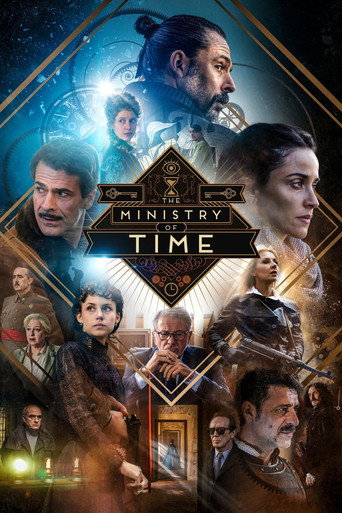
For a first series choose The Ministry of Time. Somewhere in Madrid a government department guards a network of doors that open onto every period of Spanish history, and its job is to make sure the past stays as the textbooks describe it. The newest patrol consists of a soldier from the sixteenth century, the first woman to attend a Spanish university in 1880, and a paramedic from the present day. Each week they step through a door to rescue a playwright, a painter or a king from some accident of history, and the series treats the national past with affection and a great deal of humour. It ran for four seasons and has devoted admirers around the world.
For sheer fun choose Mortadelo & Filemon: The Big Adventure, the first live-action film of the two hapless secret agents who have starred in Spain's best-selling comic books since 1958. One is a master of disguise who can turn into anything; the other is his long-suffering chief; both are sent to recover a stolen invention and leave a trail of flattened buildings behind them. The director Javier Fesser reproduces the rubbery slapstick of the drawings with astonishing fidelity, and children find it irresistible.
Spain
Sixty-three titles come from Spain, and the Spain guide divides them into modern classics, comedies and series. The best-loved Spanish film of recent decades is Butterfly, released in 1999 under the title La lengua de las mariposas. In a Galician town in the winter of 1936 a timid boy of seven, Moncho, starts school in terror of being beaten, and finds instead an elderly teacher, Don Gregorio, who governs his class by kindness alone. The old man takes his class into the woods to study insects, lends Moncho books, and promises to show him the coiled tongue of a butterfly when the microscope arrives from Madrid. Fernando Fernán Gómez, one of the great figures of the Spanish stage and screen, plays the teacher. The film ends as the civil war reaches the town in the summer, and its last minute is among the most quietly devastating in Spanish cinema.
The Teacher Who Promised the Sea tells a true story from the same years: Antoni Benaiges, a young Catalan teacher posted to a village in the hills of Burgos in 1935, who brought a printing press into the classroom so that his pupils could publish their own notebooks and who promised to take them to see the sea. Among Wolves is true as well. In the 1950s a boy of seven was handed over by his father to a goatherd in the Sierra Morena, and when the old man died the child lived on alone in the mountains for twelve years, with a family of wolves for company. The film was shot in the valleys where it happened, and the animals are real.
Even the Rain, directed by Icíar Bollaín, has one of the cleverest ideas of any film here. A Spanish crew arrives in Bolivia to shoot an epic about Columbus and the first Europeans in the Americas, choosing the location because local extras are cheap. Their leading extra turns out to be a leader of the townspeople's protest against the sale of the public water supply, and the film-makers find themselves in the middle of a modern version of the story they came to tell. Luis Tosar and Gael García Bernal head the cast. Bollaín also directed Yuli, the life of the Cuban dancer Carlos Acosta, who was pushed into ballet school by his lorry-driver father and became a principal of the Royal Ballet in London; Acosta appears as himself.
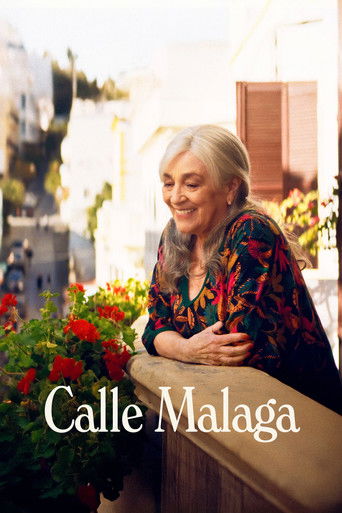
Me Too stars Pablo Pineda, the first European with Down's syndrome to take a university degree, as a graduate who starts work in a Seville office and falls for a colleague; he shared the best actor prize at San Sebastián. Marco: The Invented Truth gives Eduard Fernández a prize-winning role as a much-honoured public speaker whose account of his own past unravels. Calle Malaga brings Carmen Maura, the great star of Spanish comedy, to Tangier as a widow of seventy-nine who refuses to leave the flat where she has lived all her life. She also appears in In Family I Trust and in My Other Jon. Quieter films include Out of Sync, about a sound designer whose hearing begins to lag behind her sight; That Was Life, in which two Spanish women of different generations share a hospital room in Belgium; By My Side Again, about three sisters carrying out their mother's last wishes; A Wind from the South; Dance of the Living, set among the traditional wrestlers of the Canary Islands; and One Careful Owner, in which a young woman buys a bargain flat that comes with its elderly owner still in residence.
Spanish comedy is a broad church. A Moroccan Affair belongs to the hugely popular series that sets Spaniards of different regions against one another, here sending a Madrid family across the strait in search of a fishing boat. In Family I Trust returns an architect to the eccentric household she grew up in. Requirements to Be a Normal Person, written and directed by its star Leticia Dolera, follows a thirty-year-old who draws up a list of what normal people have, a job, a flat, a partner, hobbies, and sets out to tick each box. Mala Persona concerns the kindest man in Spain, who learns that he has little time left and decides to make himself disliked so that his family will miss him less. Un lío de millones, How to Be a Modern Man, Un novio para mi mujer, The Treatment and the Christmas romance 1000 Miles From Christmas are lighter still, and The Dinner, set in a grand Madrid hotel in April 1939, is a comedy of cooks and waiters with an edge of history.
The older Spanish films are a treat for the curious. Mi calle, the last work of the director Edgar Neville, watches one Madrid street and its residents across half a century. Señora Doctor stars Lina Morgan, the queen of the Madrid comic stage, as a newly qualified doctor sent to a village meeting its first woman physician. Alfredo Landa, who gave his name to a whole school of Spanish comedy, is a factory caretaker pushed forward as spokesman for the workers in Un rolls para Hipólito. Skyline sends Antonio Resines to New York as a photographer with ten words of English, The Flight of the Dove brings a film crew to an old Madrid square, Brillante Porvenir is an early film by Vicente Aranda, and La sombra del ciprés es alargada adapts the first novel of Miguel Delibes. 15 Days is a short mock documentary about a man who lives entirely on goods bought from television and returned within the trial period.
Mexico
Forty-four titles are Mexican, and the Mexico guide arranges them by period. Mexican cinema had its golden age in the 1940s and 1950s, when the studios of the capital supplied the whole Spanish-speaking world with musicals, melodramas and comedies, and a handful of films here preserve its flavour. Yo quiero ser tonta, from 1950, stars Fernando Soler and Sara García, the grandfather and grandmother of Mexican cinema, in a comedy about a dreamer who wants his son to be a bullfighter and his daughter a singer. In The King of México the rubber-limbed dancer and comedian known as Resortes plays a tramp who becomes, for two days, the richest man in the country. Tin Tan y las modelos stars Germán Valdés, the fast-talking, zoot-suited Tin Tan, as a bill collector bluffing his way up a cosmetics firm. El billetero is a tender melodrama about a lottery-ticket seller, and Puss n' Boots, made in 1961 in bright colour, is a fairy tale that Mexican children watched on television for generations.
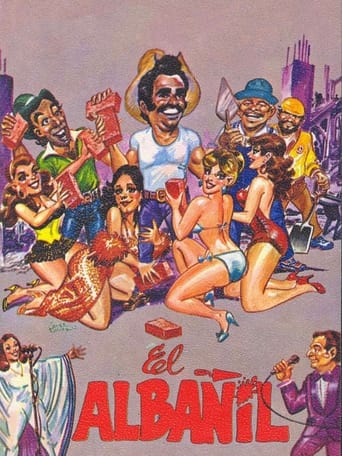
The sixties and seventies brought pop stars and ranchera singers to the screen. Adios cuñado stars the singer César Costa as the only brother in a house full of sisters, México de mi corazón gathers the great voices of Lola Beltrán and Lucha Villa around the story of two girls from Los Angeles who win a trip to the capital, and Los desenfrenados sets the comedy duo Viruta and Capulina, as two lorry drivers, against five runaway schoolgirls. Vicente Fernández, the best-loved ranchera singer of all, plays a taxi driver who goes home to his ranch in El Hijo Del Pueblo and a bricklayer in love with an aspiring singer in El Albañil. Fantastic Voyage in a Baloon is a Jules Verne adventure, and El niño y el tiburón the story of a fisherman's son who nurses a wounded shark.
Wandering Lives, from 1987, is a small gem: two travelling projectionists carry films from village to village in the mountains of Durango, saving every peso to build a cinema of their own. Recipes to Stay Together is a much-awarded comedy of the 1990s about three couples in one family, and I Want to Be, which won the Academy Award for short films, follows two brothers who sell balloons on the streets of Mexico City and disagree about how to spend their savings. Cochochi, spoken in the language of the Rarámuri people, sends two small brothers on horseback across the Sierra Tarahumara to deliver medicine.
Recent Mexican films are dominated by comedy. All the Freckles in the World is set in 1994, the year of a football World Cup, when a thirteen-year-old new boy resolves to win the prettiest girl in school by organising a football tournament. Sobreviviendo mis XV is about a girl who would rather do anything than have the traditional fifteenth-birthday party her family has planned. Chilangolandia weaves together several comic stories of Mexico City, and Go Youth! four tales of teenagers on the edge of adulthood. My Father's Mexican Wedding flies a Spanish brother and sister across the Atlantic to meet their father's new family. Esmeralda’s Twilight is a gentle drama about a widow who finds a new interest in life, First and Last Love about an elderly man who returns to his home town to look for his childhood sweetheart, and 1938: When Mexico Recovered Its Oil a chronicle of a turning point in the nation's history.
Argentina
Twenty-four titles are from Argentina, and the Argentina guide begins with four essential films. The Official Story, directed by Luis Puenzo in 1985, was the first Latin American film to win the Academy Award for best foreign-language film. Alicia is a history teacher in Buenos Aires in 1983, comfortable, conservative and married to a businessman, with an adopted daughter of five whom she adores. As the military government collapses, an old friend returns from exile and tells her things she had chosen to ignore, and Alicia begins to ask where her daughter came from. Norma Aleandro's performance is one of the finest in the cinema of any country. The subject is grave, and the film is for older teenagers and adults.
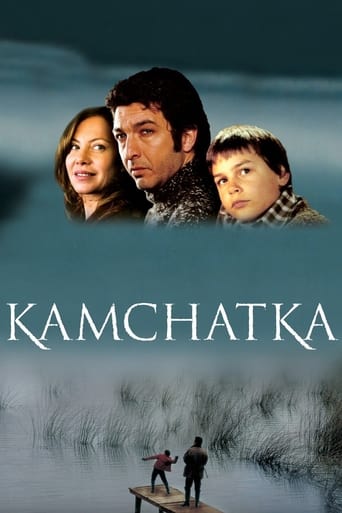
Kamchatka looks at the same period through the eyes of a ten-year-old. In 1976 a lawyer and his wife, played by Ricardo Darín and Cecilia Roth, take their two sons to a borrowed house in the country and tell them it is a holiday; the boy, who loves board games and the escape artist Houdini, slowly understands that his parents are in hiding. It is a film about a family's love under pressure, with hardly a harsh image in it. Darín, Argentina's most admired actor, also stars in Same Love, Same Rain, a bittersweet romantic comedy by Juan José Campanella that follows a magazine writer and an actress through twenty years of their country's history.
The Lighthouse of the Orcas is based on a real ranger of the Valdés peninsula in Patagonia, whose rapport with the wild orcas of that coast was seen on television by a mother in Spain. She brings her young autistic son across the world in the hope that the animals will reach him, and Maribel Verdú and Joaquín Furriel play the two adults against some of the grandest scenery on the planet. The veteran director Leonardo Favio is represented by his first short, The Friend, about a shoeshine boy outside a funfair, and by Soñar, soñar, in which a small-town clerk follows a travelling entertainer to the capital. Eeny, Meeny, Miny, Mo is a sharp little drama of 1968 in which three office colleagues learn that one of them must go.
Argentine comedy is urbane and talkative. In The Mystery of Happiness two lifelong business partners are as close as brothers until one of them vanishes, and the other, played by Guillermo Francella, teams up with the missing man's wife to find him. Claudia stars Dolores Fonzi as a wedding planner who begins to suspect that something is odd about the ceremony she is organising. Ustedes deciden follows an out-of-work actor who seeks fame online, and Bandido an ageing popular singer preparing to retire. Music lovers have I Tita, A Life of Tango, a portrait of the singer and actress Tita Merello, and Destino de un capricho, a vehicle for the pop idol Sandro. Viva High School Musical: Argentina is a local version of the famous school musical, with rugby in place of basketball.
Colombia, Chile and their neighbours
Thirty-four titles come from the rest of the continent, and the guide to Colombia, Chile and neighbours maps them. Colombia's favourite film is The Strategy of the Snail. The tenants of an old mansion in the centre of Bogotá are to be evicted by a wealthy heir and his lawyers. An elderly Spanish anarchist among them, a former stagehand, proposes a plan: while a law student delays the court with every procedural trick in the book, the residents will dismantle the entire house from the inside and carry it away, beam by beam, across the rooftops. It is a comedy about dignity, and audiences cheer at the end. Memories of My Father, directed by the Spanish Oscar winner Fernando Trueba, is a son's portrait of Héctor Abad Gómez, a doctor and professor in Medellín who campaigned for clean water and vaccination in the poorest districts and filled his house with children, books and music. Javier Cámara is wonderful as the father. The closing chapter recalls the dangers that public figures faced in the Colombia of the 1980s, and the film is best for older viewers.
Chile's Machuca is set in Santiago in 1973. An English priest who runs an expensive boys' school admits a group of pupils from a nearby shanty town, and a shy boy from a wealthy home becomes friends with one of the newcomers, Pedro Machuca. Through the two of them the film watches a divided country in its last months before the coup, and it is one of the most popular Chilean films ever made. Nobody Knows I'm Here stars Jorge Garcia, familiar from American television, as a recluse on a sheep farm in the lake district who has a glorious singing voice and a reason for hiding it. The Desert Bride is a small, perfect road film in which a housemaid of fifty-four, travelling to a new post, loses her bag at a roadside shrine and must seek out the travelling salesman who has driven off with it; Paulina García plays her, as she does the wealthy patient in Beloved Tropic, set in Panama. Have You Seen Lupita?, Martínez and the family comedy Disconnected 2 complete the Chilean shelf.
From Bolivia comes Utama, which won the grand jury prize for world cinema at Sundance. An elderly Quechua couple herd llamas on the high plateau, as their ancestors did, but the rains have failed for a year, and their grandson arrives from the city to persuade them to leave. The photography of the altiplano is breathtaking. Viva Cuba is a road film for children: Malú and Jorgito, best friends from families that disapprove of each other, run away together and cross the whole island from Havana to its eastern tip. El techo sets three young friends on a Havana rooftop with a plan to open a pizzeria. Mangoré tells the life of the Paraguayan guitarist and composer Agustín Barrios, and On the Seventh Day follows a Mexican delivery rider in Brooklyn whose football team has reached the final on a Sunday when his boss wants him at work. El Norte, made in 1983, is the classic account of a brother and sister's journey from a Guatemalan village to Los Angeles; it is a powerful film, with hardships along the way, for older viewers.
The series
Sixty-six television series are on CompucaliTV, and the series guide sorts them into long-runners, adventures and short recent productions. The daily telenovela, with its hundreds of episodes, was left out of the catalogue; what is here are weekly comedies and dramas and the compact series of six to ten episodes that the streaming services now commission across the Spanish-speaking world.
The grandest of the long-runners is Cuéntame cómo pasó. It began on Spanish public television in 2001 with a simple idea: follow one ordinary Madrid family, the Alcántaras, from the spring of 1968 onwards, with each season moving the calendar forward. Father Antonio is a ministry clerk with a second job at a print shop, mother Mercedes sews at home, grandmother Herminia remembers the village, and the youngest son, Carlos, narrates as an adult looking back. Over twenty-three seasons and more than four hundred episodes the family bought its first television, took its first seaside holiday, lived through the end of the old regime and the arrival of democracy, and grew old in real time before the eyes of the nation. It is the nearest thing Spain has to a family album.
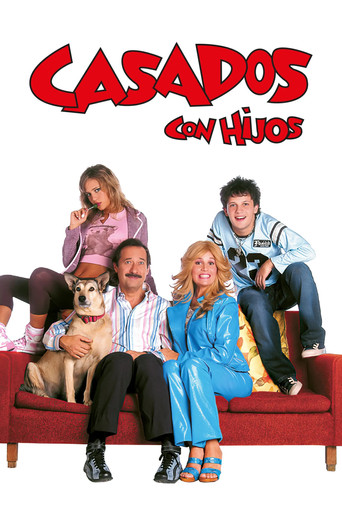
Aída ran for ten seasons and is the most successful Spanish situation comedy of its century. Its heroine, played by Carmen Machi, is a cleaner and single mother who inherits her father's flat in a working-class district of Madrid and moves back in with her own mother and two children; the bar, the corner shop and the neighbours supply the rest. From Argentina comes Casados con Hijos, a local version of a well-known American comedy about a shoe salesman and his family, which became a phenomenon in its own right thanks to Guillermo Francella and Florencia Peña. Mexico's Renta Congelada forces two couples, one young and one middle-aged, to share a house that a confused landlady has let to both of them.
Colombia contributes a piece of television history. Ecomoda is the sequel to the most widely adapted comedy-drama ever made, the story of a brilliant, plain secretary at a Bogotá fashion house. Here Betty and Armando are married, with a baby daughter, and running the company together, while the whole cast of secretaries, designers and rivals returns to complicate matters. In Peter the Great: Greater Than Ever another favourite character of Colombian television, the dancing chauffeur with the loud shirts, comes home after twenty years abroad to find that he has a grown-up son.
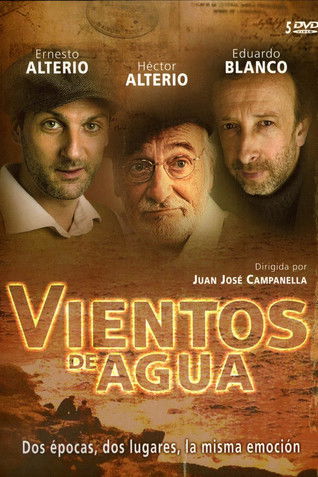
Period drama is a Spanish speciality. The Time in Between, from the novel by María Dueñas, follows Sira, a young dressmaker who leaves Madrid for Morocco in 1936, loses everything, and rebuilds her life by opening a fashion house in Tetuán whose clients include the wives of diplomats. Its eleven episodes were among the most watched in the history of Spanish television, and the costumes alone are worth the time. A Different View is set in a girls' academy in Seville in the 1920s, where a new teacher arrives with modern ideas. La Favorita 1922 opens a restaurant in the Madrid of the same decade, and The Short Life is a comedy about Luis I, who reigned over Spain for 229 days in 1724. Vientos de agua, made by Juan José Campanella, tells two stories in parallel: a young miner who leaves Asturias for Argentina in 1934, and his son, an architect in Buenos Aires who makes the journey in reverse in 2001. Héctor Alterio and his son Ernesto play the same man at different ages. Three Days of Christmas visits four sisters at three moments of their lives, and Isabel dramatises the life of the Chilean novelist Isabel Allende.
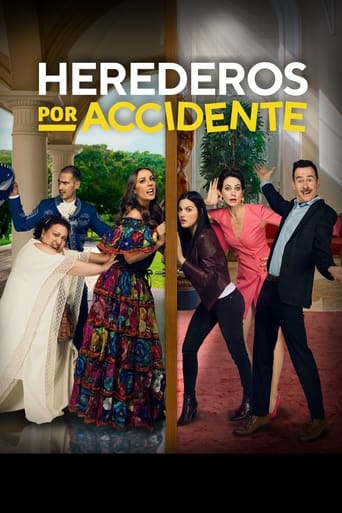
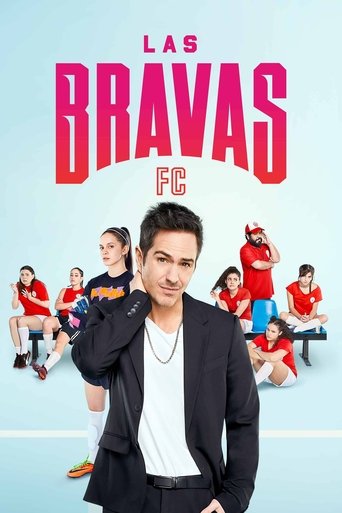
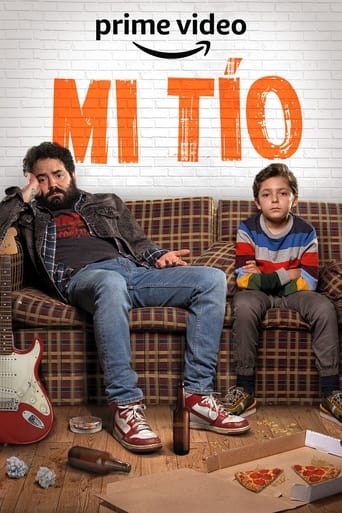
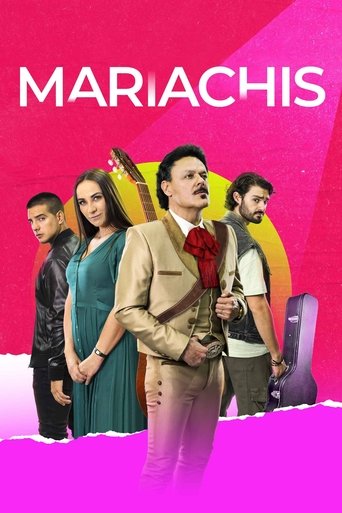
Among the newer comedies, The War Next-door moves a family of modest means into a luxury estate in Mexico, next door to a household that had hoped for different neighbours. Las Bravas F.C. sends a vain football star back to his home town to coach the women's team. In My Uncle an unemployed musician finds himself in charge of his small nephew, and in The Manny a busy executive hires a ranch hand from the north to look after her children. Herederos por accidente sets a Spanish family and a Mexican one quarrelling over a will. Mariachis is a touching comedy-drama in which a family forms a mariachi band to help its patriarch hold on to his memories. Y llegaron de noche recreates a curious episode of film history: the Spanish-language version of a famous vampire picture that was shot in Hollywood in 1931 at night, on the same sets, after the English-speaking crew had gone home. Bodas S.A., Love from 9 to 5, Love Spells, Snakes and Ladders, Cindy la Regia: The High School Years, Jump-Start My Heart and Mask vs. Knight are further Mexican entertainments of the last few years.
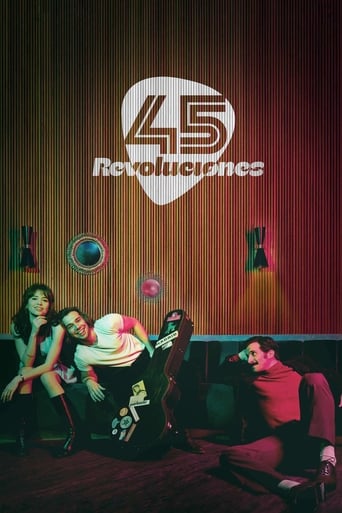
Spain's recent short series include Vota Juan, a political satire with Javier Cámara as an obscure minister of agriculture who decides he should be prime minister; Yakarta, in which the same actor plays a former badminton Olympian turned school sports teacher who discovers a gifted pupil; Mira lo que has hecho, the comedian Berto Romero's account of becoming a father; We Apologize For The Inconveniences, with two veteran actors as an orchestra conductor and an old rock star who are neighbours and friends; and Fate, Entrepreneurs, Mamen Mayo, Show Yourself, Cuerpo de élite, 45 rpm, In Love All Over Again, When You Least Expect It, At Home - Spain and Besos al aire. Babysitters, from 1994, is an early series with the young Maribel Verdú. From Mexico and the United States come Soy tu fan, Everything Will Be Fine and Cecilia, and from Argentina Señores papis and La obra de mi vida.
Comedy
Ninety-nine titles are comedies, and the comedy guide groups them. Humour in Spanish has a few great recurring themes. One is the family gathering at which everything goes wrong, as in Un lío de millones, where a couple in a mountain village pretend to have won the lottery so that their grown-up children will visit. Another is the meeting of regions and nations: Madrid and Morocco in A Moroccan Affair, Spain and Mexico in My Father's Mexican Wedding and Herederos por accidente. A third is the little man against the system, from the tramp of The King of México and the caretaker of Un rolls para Hipólito to the tenants of The Strategy of the Snail.
The comic book is a fourth. Besides the two secret agents already described, the catalogue has Zip & Zap and the Captain's Island, the second film about the mischievous twin brothers who have appeared in Spanish children's comics since 1948. Here the boys are stranded on an island at Christmas, in a mansion where children have every toy they could wish for and something is plainly amiss. It is handsomely made, in the manner of a classic adventure serial. As Luck Would Have It, directed by Álex de la Iglesia, is a satire for adults and older teenagers about an out-of-work advertising man whose accident on a building site turns into a television event.
Teachers and classrooms
The classroom is one of the richest settings in Spanish-language film, and the teachers and classrooms guide gathers the best examples. Radical, Butterfly and The Teacher Who Promised the Sea form a natural trilogy about teachers who trusted children to think; they are set in three different countries and decades and say remarkably similar things. Machuca and All the Freckles in the World look at school from the pupils' side. On television, The Low Tone Club stars the Colombian singer Carlos Vives as a music teacher with unusual methods, A Different View follows the staff and pupils of its Seville academy, and Rebelde returns to the boarding school of a famous teenage musical drama, where a new generation of students prepares for the battle of the bands. Go! Live Your Way, Viva High School Musical: Argentina and Cindy la Regia: The High School Years are school stories with songs and laughter for younger viewers.
Family viewing
Thirty-five titles are suggested for watching with children, and the family viewing guide sorts them by age. The youngest will enjoy Puss n' Boots, Zip & Zap and the Captain's Island and Mortadelo & Filemon: The Big Adventure, together with two adventure series made for children in Colombia from the novels of Jules Verne: Journey to the Center of the Earth, in which a group of friends at a summer camp find a medallion that opens the way to a hidden world, and its sequel 20,000 Leagues Under the Sea. C.H.U.E.C.O is an Argentine comedy about a widowed father of three who inherits a fortune on condition that he look after a chimpanzee, and the chimpanzee can talk. Supertorpe is about a teenage girl with superpowers she can barely control, and L-Pop about two sisters and a dance group.
For children of about ten and over there are Viva Cuba, Among Wolves, The Lighthouse of the Orcas, El niño y el tiburón and Leo & Lou, in which a girl who has stopped speaking slips away from her children's home to enter a fishing competition and falls in with a gruff stranger. Cochochi and I Want to Be are short, truthful stories about brothers. Teenagers will find themselves in Sobreviviendo mis XV, Go Youth!, Beef, about a young rapper in Barcelona and her mother, and 4Ever, in which four musicians who have barely met must become a boy band. For the whole family together, the best choices are Radical, The Strategy of the Snail, My Uncle and The Manny.
Music
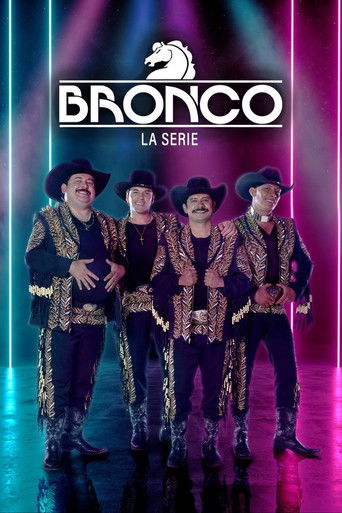
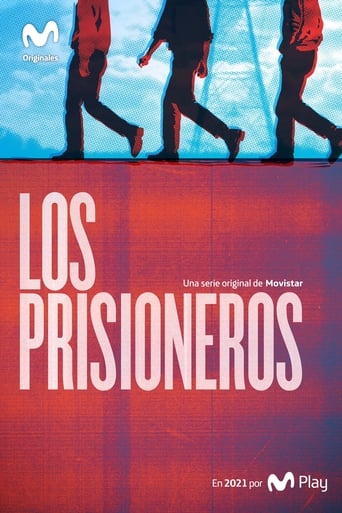
Thirty titles are about music and musicians, and the music guide describes them. The musical biography has become one of the favourite forms of Latin American television. Bronco The Series tells how four friends from a small town in northern Mexico became one of the best-selling bands in the history of regional music. Se llamaba Pedro Infante is the life of the singing idol of Mexico's golden age, and María Félix La Doña that of its greatest actress. Chile's most important rock group is the subject of two series, Sudamerican Rockers and Los Prisioneros, which follow three schoolfriends from a working-class district of Santiago who began playing in 1979 and wrote the songs of a generation. Sandro de América is the story of the Argentine singer who was his country's first rock idol, and Peru's El día de mi suerte is a charming miniseries about an impersonator of the salsa singer Héctor Lavoe who learns that his hero is coming to Lima.
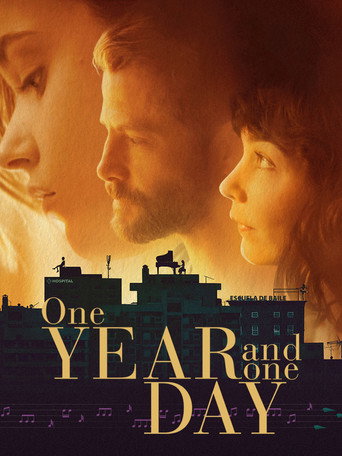
On film, My Heart Goes Boom! is a candy-coloured musical built on the hits of the Italian star Raffaella Carrà: in the grey Spain of the early 1970s a young dancer joins a television variety show and falls in love with the son of the censor. La fuga is set in a retirement home for professional musicians, where a new arrival persuades his companions to slip out for one last adventure. One Year and One Day has its hero learn the piano for a year to win back a lost love, and Mangoré, Yuli and I Tita, A Life of Tango have been mentioned above. The singer who hides his voice in Nobody Knows I'm Here and the family band of Mariachis belong on this shelf as well.
History on screen
Twenty titles are set in earlier times, and the history guide places them on a timeline. Spanish and Latin American film-makers have returned again and again to the twentieth century, and above all to the experience of ordinary families under authoritarian rule: Spain in the 1930s in Butterfly and The Teacher Who Promised the Sea, Chile in 1973 in Machuca, Argentina after 1976 in Kamchatka and The Official Story. These films are told through children, teachers and parents rather than through politics, which is why they travel so well and why several of them are studied in schools. Each ends on a sober note, and parents may wish to watch them first.
The lighter side of history is represented by The Ministry of Time, which has visited the Golden Age playwright Lope de Vega, the painter Velázquez and the Spain of the 1980s with equal enthusiasm; by The Short Life and La Favorita 1922; by The Dinner; and by Mi calle, which watches a single street from the gaslight era to the age of the motor car. 1938: When Mexico Recovered Its Oil and Even the Rain look at Latin American history from two unusual angles.
Faces to follow
The search field accepts the name of an actor or director, and a few names repay following. Javier Cámara, among the most versatile Spanish actors of his generation, is the doctor of Memories of My Father, the ambitious minister of Vota Juan and the sports teacher of Yakarta. Carmen Maura appears in three films made across six years. Ricardo Darín leads Kamchatka and Same Love, Same Rain, and Guillermo Francella both The Mystery of Happiness and Casados con Hijos. Paulina García, the leading Chilean actress, is in The Desert Bride and Beloved Tropic, and Antonio Resines spans forty years between Skyline and Un lío de millones. Maribel Verdú may be seen as a teenager in Babysitters and as the mother in The Lighthouse of the Orcas.
Among directors, Icíar Bollaín made Even the Rain and Yuli; Patricia Font made In Family I Trust and The Teacher Who Promised the Sea, which could hardly be more different; Gerardo Olivares, who began in nature documentaries, made both Among Wolves and The Lighthouse of the Orcas; and Juan José Campanella, who later won an Academy Award, made Same Love, Same Rain and Vientos de agua. In Mexico the veteran René Cardona directed El Hijo Del Pueblo, and his son of the same name Fantastic Voyage in a Baloon.
The decades
Twenty-six films in the catalogue were made before 1990, and the before 1990 guide introduces them country by country. They come from a period when each of the large Spanish-speaking nations had a studio system of its own and a public that went to the cinema every week. Mexico's studios at Churubusco turned out more than a hundred features a year at their height and exported them to every country from Texas to Patagonia, which is why the comedians and singers of The King of México, Tin Tan y las modelos and México de mi corazón are remembered as fondly in Bogotá or Lima as at home. Spain's popular comedies of the sixties and seventies, the world of Señora Doctor and Un rolls para Hipólito, were made quickly and cheaply for neighbourhood cinemas and have found a second life on television, where they are repeated every summer. Argentina's contribution from those decades is more reflective: The Friend, Eeny, Meeny, Miny, Mo and Soñar, soñar are small films about small lives, observed with great sympathy.
Twenty-three titles date from between 1990 and 2009, the years in which Spanish-language cinema won back an international audience. The Strategy of the Snail broke box-office records in Colombia in 1993; Butterfly and Same Love, Same Rain both appeared in 1999; Kamchatka, Machuca and Viva Cuba followed within a few years, and Cuéntame cómo pasó, Aída, Casados con Hijos and Ecomoda changed what television in Spanish could be. Thirty-seven titles come from the 2010s, among them Even the Rain, Among Wolves, The Ministry of Time and The Time in Between.
The largest shelf by far is the newest. Seventy-nine titles were released in 2020 or later, and the 2020 onwards guide picks out the strongest. The reason for the abundance is simple: the international streaming services discovered that Spanish-language stories travel, and began commissioning them in Madrid, Mexico City, Bogotá, Buenos Aires and Santiago at a rate the old broadcasters could only dream of. The results range from prize-winning films such as Radical, Utama and The Teacher Who Promised the Sea to brisk comedy series of eight half-hour episodes, such as The War Next-door, Las Bravas F.C. and My Uncle, that can be finished in a weekend. Television biographies have flourished as well, and a viewer can now follow the lives of María Félix La Doña, the band of Los Prisioneros and the novelist of Isabel in a few evenings each.
A journey in pictures
A catalogue of films is also an atlas, and these titles between them visit most of the Spanish-speaking world. In Spain alone the camera travels from the green valleys of Galicia in Butterfly to the oak forests of the Sierra Morena in Among Wolves, the upland villages of Burgos in The Teacher Who Promised the Sea, the black volcanic sand of Fuerteventura in Dance of the Living and the old squares of Madrid in Mi calle and The Flight of the Dove. Calle Malaga and The Time in Between cross the strait to Tangier and Tetuán, cities where Spanish was for generations the language of the street.
In the Americas the journey begins on the northern border with Radical, passes through the mountains of Durango in Wandering Lives and of Chihuahua in Cochochi, and lingers in the endless capital in Chilangolandia and I Want to Be. Havana's rooftops appear in El techo and the length of Cuba in Viva Cuba. Bogotá's old centre is the setting of The Strategy of the Snail and Medellín, the city of eternal spring, of Memories of My Father. Utama climbs to four thousand metres on the Bolivian plateau; Nobody Knows I'm Here hides among the lakes and forests of southern Chile; The Desert Bride crosses the dry lands of western Argentina; and The Lighthouse of the Orcas ends the journey on the Patagonian shore, where the whales come in to the beach. Few evenings of armchair travel are better spent.
A word on language and subtitles
Spanish is one language with many voices, and part of the pleasure of this catalogue is hearing them side by side: the clipped consonants of Madrid, the sing-song of Mexico City, the Italian-flavoured rhythms of Buenos Aires, the soft speech of Bogotá and the rapid slang of Santiago. Learners of Spanish will find the series especially useful, since the same characters return week after week and the ear adjusts. The Ministry of Time and Cuéntame cómo pasó are widely recommended by teachers for exactly this reason, and Radical, with its clear classroom dialogue, is a favourite with students.
The services listed by JustWatch state which subtitles and dubbed soundtracks each offers in your country. Recent productions made for international platforms usually carry subtitles in a dozen languages, while older films from the Mexican and Spanish studios may be offered in Spanish only. One film in the catalogue, Cochochi, is spoken in an indigenous language of northern Mexico, and Utama moves between Spanish and Quechua.
A note for parents
Most of the catalogue can be watched by all ages together. The comedies and children's films need only the usual word about slapstick. A group of dramas is better kept for older teenagers and adults because of the history they recall: The Official Story, Kamchatka, Machuca, Butterfly, The Teacher Who Promised the Sea, Memories of My Father and El Norte. Mala Persona, My Other Jon, That Was Life and Utama deal with illness and old age, gently in every case. As Luck Would Have It and Aída contain broad adult humour, and the long family saga Cuéntame cómo pasó follows its characters through every stage of life. A number of the older and smaller films rest on only a handful of votes at the public film database, so their scores should be read as a rough guide.
Search, categories and My List
The top bar stays in place as you scroll and holds the menu, the search field and the My List link. The search answers as you type and accepts a title in English or in Spanish, so that both Butterfly and La lengua de las mariposas will find the same film. Beneath the bar on the home page a row of category buttons opens the country, genre and period lists, and the finding titles page explains all seventeen together with the A to Z. To keep a title for later, press Add to My List on its page. Your saved titles are stored by the browser on your own device, and the My List page shows how to save the list to a file.
A fortnight with CompucaliTV
For a first fortnight, take one title from each shelf. From Mexico, Radical. From Spain, Butterfly for adults or Among Wolves for the family. From Argentina, The Lighthouse of the Orcas. From Colombia, The Strategy of the Snail. From Chile, The Desert Bride. A comedy: Mortadelo & Filemon: The Big Adventure. A musical: My Heart Goes Boom!. A golden-age classic: The King of México. Then begin a series and let it keep you company through the second week: The Ministry of Time for adventure, The Time in Between for romance, Ecomoda for laughter, or Mariachis for all three at once.
Questions and answers
Questions
What is CompucaliTV?
CompucaliTV is a guide to 165 Spanish-language films and series from Spain, Mexico, Argentina, Colombia, Chile and their neighbours, 1950 to 2026, each with its story, cast and a Watch now button to the official services that carry it.
Which title should I watch first?
Start with the film Radical, the series The Ministry of Time or the comedy Mortadelo and Filemon: The Big Adventure.
Is the catalogue suitable for families?
Yes. Every summary was read by hand, and daily telenovelas, crime sagas, horror and adult dramas were left out. A note in the guide lists the dramas better kept for older viewers.
Which countries are covered?
Spain with 63 titles, Mexico with 44, Argentina with 24, and Colombia, Chile, Peru, Bolivia, Cuba and Paraguay with 34 between them.
Are the titles subtitled in English?
CompucaliTV is a guide, and each Watch now button opens JustWatch, where every listed service shows the subtitles and soundtracks it offers in your country.
Which series are the best known?
The Ministry of Time, Cuéntame cómo pasó, Aída, The Time in Between, Ecomoda, Casados con Hijos and Rebelde.
How does My List work?
Press Add to My List on any title page. The list is kept by the browser on this device, and the list page can write it to a file.
Does CompucaliTV host films, software or downloads?
CompucaliTV is a guide only. Every Watch now button opens JustWatch, which lists the official streaming, rental and purchase services for your country.
